
How to Buy a Car in Japan — And Is It Cheaper Than Renting?
 Be Village
Own or rent? Here's how to figure out which makes sense for your Japan trip or stay.
- Step-by-step: How to buy a car in Japan
- Annual ownership costs (tax, insurance, shaken inspection, parking)
- Rental car pricing and what's included
- Side-by-side cost simulations: buying vs renting
- Which option is best based on your stay length and needs
Buying a Car in Japan: More Complex Than You'd Expect
For long-term residents, a car can dramatically improve quality of life — especially in rural areas like Hakuba, Omachi, and Otari where public transport is limited. But buying a car in Japan involves unique bureaucratic steps and surprisingly high running costs that catch many people off guard.
How to Buy a Car in Japan: 5 Steps

1 Get a Japanese Driver's License
To purchase a car, you generally need a Japanese driver's license. You can convert a foreign license (gaimen kirikae), but the process varies by country. An International Driving Permit (IDP) alone is usually not sufficient for purchasing a vehicle.
2 Secure a Parking Space (Shako Shomei)
Before buying, you must prove you have a dedicated parking spot by obtaining a "Garage Certificate" (shako shomeisho) from the local police station. The spot must be within 2 km of your home. If you rent, you'll need a letter from your landlord confirming parking use rights.
3 Register a Personal Seal (Inkan / Jitsuin)
For standard-size vehicles, you need a registered personal seal (jitsuin) — a carved stamp with your exact name as it appears on your residence card. You register it at your local city hall and obtain an "Inkan Certificate." Foreigners may use a "Signature Certificate" from their embassy as an alternative.
4 Choose and Purchase a Vehicle
Buy from a new-car dealer or used-car shop. You'll need your driver's license, residence card, inkan certificate, garage certificate, and your registered seal. Payment is cash or loan — but loan approval for foreigners depends heavily on permanent residency status, stable income, and credit history in Japan.
5 Get Insured
Compulsory liability insurance (jibaiseki) is included at purchase. But you also need voluntary insurance (nin'i hoken) for real-world coverage. First-year premiums for foreigners without a driving history in Japan can be very high — ¥100,000–300,000/year is not uncommon.
Annual Cost of Owning a Car in Japan
Even after buying a car, ongoing costs add up quickly. Here's a breakdown for a kei car (660cc) and a standard 1.5L car.
| Cost Item | Kei Car (660cc) | Standard (1.5L) |
|---|---|---|
| Car tax (annual) | ¥10,800 | ¥30,500 |
| Weight tax (annualized) | ~¥3,300 | ~¥8,200 |
| Compulsory insurance (ann.) | ~¥8,800 | ~¥8,800 |
| Voluntary insurance | ¥35,000–80,000 | ¥50,000–120,000 |
| Shaken inspection (ann.) | ¥21,000–45,000 | ¥24,000–50,000 |
| Gas (10,000 km/yr) | ~¥87,500 | ~¥116,700 |
| Parking (rural area) | ¥72,000–108,000 | ¥72,000–108,000 |
| Maintenance | ¥15,000–30,000 | ¥20,000–40,000 |
| Annual total (est.) | ~¥250,000–400,000 | ~¥330,000–500,000 |
Gas at ¥175/L; kei car 20 km/L, standard 15 km/L. Parking based on rural rates (¥6,000–9,000/mo). Urban areas cost significantly more.
Before even counting the purchase price, a kei car costs ¥250,000–400,000/year to maintain; a standard car ¥330,000–500,000. Add the vehicle cost (used kei: ¥500,000–1,500,000) and your first year gets expensive fast.
What Does Renting Cost?
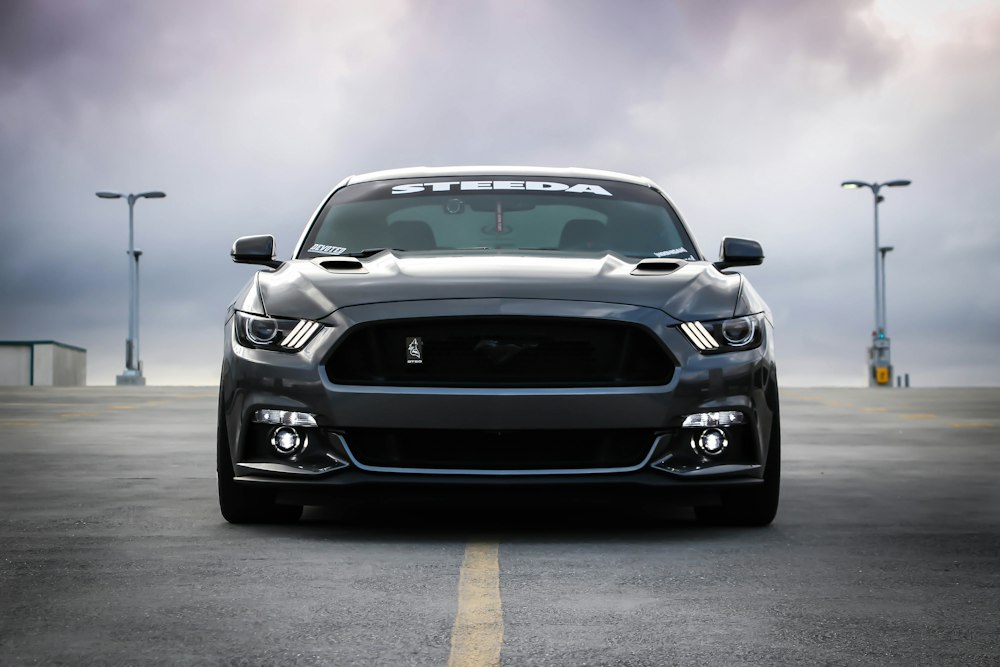
With a rental, you pay zero tax, zero shaken, zero parking — just the daily/weekly rate. Here's what Hakuba Rent a Car charges:
| Kei car (24h) | ¥9,500 (regular) / ¥6,650 (Green Season 30% OFF) |
| Compact (24h) | ¥11,000 (regular) / ¥7,700 (Green Season 30% OFF) |
| Minivan (24h) | ¥22,000 (regular) / ¥11,000 (Green Season 50% OFF) |
| Kei car (1 week) | ¥52,500 (regular) / ¥36,750 (Green Season 30% OFF) |
| Included | 4WD, liability insurance, studless tires (winter) |
Cost Simulations: Buy vs Rent
Scenario A: You need a car for 30 days per year
| Buy | Vehicle ~¥800,000 + maintenance ~¥300,000 = ~¥1,100,000 in year one |
| Rent | Kei car × 30 days × ¥9,500/day ≒ ~¥285,000 |
🏆 Renting saves you ~¥800,000
For seasonal visitors and ski-trippers, renting is overwhelmingly cheaper.
Scenario B: You need a car 120 days/year (2–3 days/week)
| Own (year 2+) | Running costs only: ~¥300,000/yr |
| Rent | 10 days/mo × 12 mo × ¥9,500 ≒ ~¥1,140,000 |
🏆 Owning wins (from year 2 onward)
If you drive several days a week, buying pays off — but only after the initial purchase cost is amortized (plan to keep the car 3+ years).
Scenario C: A 1–2 week ski trip
| Buy | Makes no sense (¥300,000+/yr maintenance for a few days of use) |
| Rent (1 week) | Kei ¥52,500 / Minivan ¥133,000 |
🏆 Rent — no contest
For a Hakuba ski holiday, renting is the only logical choice.
The Bottom Line: It Depends on Stay Length and Frequency
| Your Situation | Best Choice | Why |
|---|---|---|
| Holiday / short stay (days–weeks) | Rental car | No paperwork. Insurance included. Drive immediately |
| Seasonal stay (a few months) | Rental (explore long-term plans) | Buying hassle outweighs the cost savings |
| 1–2 year stay | Case by case | If you drive daily, buying may work. Factor in resale costs |
| 3+ year residence | Consider buying | Long-term ownership becomes cost-effective |
FAQ
Summary: For Hakuba Visitors, Renting Wins Hands Down
Buying a car in Japan means navigating driver's license conversion, seal registration, garage certificates, insurance, and annual costs of ¥250,000–500,000. For holidays, ski trips, or stays under a few months, a rental car with zero paperwork, insurance included, and immediate availability is simply the smarter choice.
Hakuba Rent a Car: all 4WD, insurance included, English support, Green Season discounts. Skip the bureaucracy and start driving.
Skip the paperwork. Start driving with Hakuba Rent a Car.